
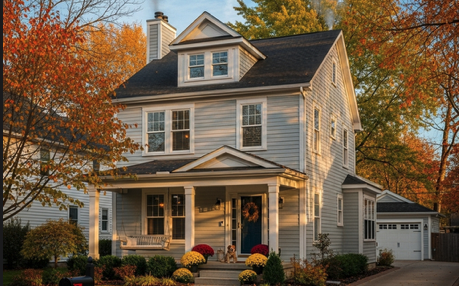
Buying a home in Ohio is an exciting journey, whether you’re looking in bustling cities like Columbus, Cleveland, and Cincinnati or in quieter communities across the state. If you’re planning to purchase in 2026, one of the most important details to understand is the Ohio conventional loan limits. These limits determine how much you can borrow under a conforming loan and whether your mortgage will qualify for Fannie Mae and Freddie Mac backing.
What Are Conventional Loan Limits?
Conventional loan limits are the maximum loan amounts set each year by the Federal Housing Finance Agency (FHFA). These loans are considered conforming because they fall within the guidelines established by Fannie Mae and Freddie Mac. If the loan amount exceeds these limits, it is classified as a jumbo loan, which typically requires stricter qualifications, higher down payments, and sometimes higher interest rates.
For 2026, the national baseline loan limit for a single-family home is $766,550. This limit applies to most counties across the country, including those in Ohio.
2026 Conventional Loan Limits in Ohio
Ohio’s housing market is considered affordable compared to many coastal states. Homebuyers in the Buckeye State will find that most properties fall well within conforming loan limits. Here are the standard limits for 2026:
- One-Unit Property (Single-Family Home): $766,550
- Two-Unit Property: $981,500
- Three-Unit Property: $1,186,350
- Four-Unit Property: $1,474,400
Unlike high-cost housing markets such as California or New York, Ohio does not have counties with higher conforming loan limits. Whether you’re buying in Franklin County (Columbus), Cuyahoga County (Cleveland), or Hamilton County (Cincinnati), the baseline numbers apply statewide.
Why Loan Limits Matter in Ohio
Understanding loan limits helps you set realistic expectations as a buyer:
- Staying under the conforming loan limit ensures you have access to competitive rates and easier qualification standards.
- If your dream home exceeds the $766,550 threshold, you’ll need to consider a jumbo loan, which has stricter requirements.
- Buyers in markets with rising home values, such as Columbus, benefit from knowing how close they are to the limits before starting the home search.
By staying informed, you can avoid surprises and plan your financing more effectively.
Advantages of Conventional Loans in Ohio
Many Ohio homebuyers choose conventional loans because they provide flexibility and long-term financial benefits. Some of the biggest advantages include:
- Lower down payment options, starting as low as 3% for first-time buyers.
- No upfront mortgage insurance premium, unlike FHA loans.
- Competitive interest rates compared to other loan types.
- Ability to finance single-family or multi-unit properties.
- Flexibility to refinance in the future if rates drop or your financial needs change.
Whether you’re purchasing a historic home in Cleveland, a suburban property in Dublin, or a rural home in southern Ohio, these features make conventional loans a smart choice.
FAQs About 2026 Ohio Conventional Loan Limits
The limit for a single-family home is $766,550.
No. All Ohio counties follow the national baseline limit.
You will need to explore jumbo loan options, which have stricter qualifications.
Yes. For 2–4 unit properties, the limits range from $981,500 to $1,474,400.
They offer low down payment options, competitive rates, and flexibility without the added cost of upfront mortgage insurance.
Final Thoughts
The 2026 Ohio conventional loan limits are designed to give homebuyers clarity and confidence. With the baseline limit set at $766,550 for single-family homes, most Ohio buyers will qualify for a conforming loan without moving into jumbo territory.
By understanding how these limits impact your financing options, you can better prepare for your home purchase. Working with an experienced lender ensures you’ll have the guidance needed to make the most of your mortgage journey in 2026.