

Looking to buy a new home but worried about credit or down payment? FHA loans are designed to make homeownership possible for more buyers. FHA loans offer low down payments, lower rates, flexible credit guidelines, and easier qualification. Whether you’re a first-time buyer, have limited savings, or need a second chance, FHA loans can help open the door to your new home. Learn how they work, the options available, and if an FHA loan is the right fit for you.
What is an FHA Loan?
An FHA loan is a mortgage insured by the Federal Housing Administration, an agency under the U.S. Department of Housing and Urban Development (HUD). The insurance The primary focus is to make homeownership more accessible, especially for buyers with lower credit scores or limited savings. FHA loans offer low down payment options, flexible approval standards, and are popular with first-time buyers or those rebuilding credit. Most down payment assistance loans are based on FHA financing.
While FHA loans do require mortgage insurance premiums (MIP), their credit and down payment flexibility make them a top choice for many home buyers. In 2024, FHA loans accounted for about 15% of all new mortgages. Estimate your payment with our FHA Loan Calculator.
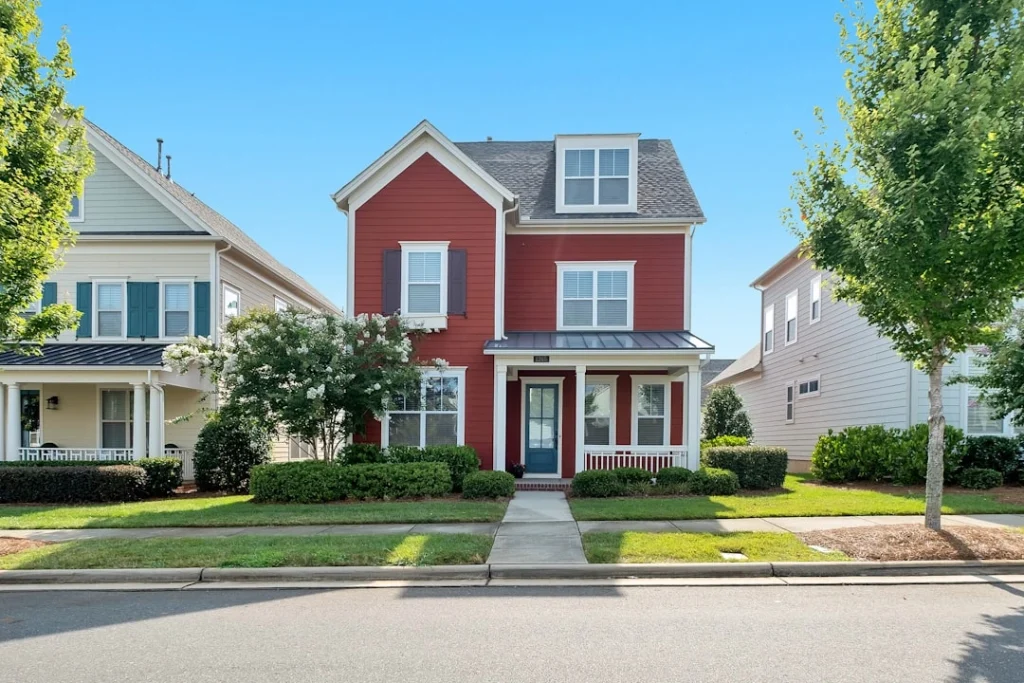
Why Choose an FHA Loan to Buy a Home?
FHA loans offer unique advantages that make them an excellent option for many buyers, especially those with lower credit scores or limited savings. FHA loans feature more flexible approval guidelines and low down payment requirements. Unlike conventional loans, FHA interest rates and mortgage insurance are less affected by your credit score. This means buyers with fair or even less than perfect credit can often get competitive rates and standardized mortgage insurance.
With FHA, you don’t need great credit to qualify for affordable financing. Down payments can come from savings, gifts, or approved down payment assistance programs (DPAs), making it easier to get into your new home. If you’re concerned about qualifying with a smaller down payment or are rebuilding your credit, an FHA loan could be the right path.
Wide Range of Loan Programs
FHA loans are a category, not one program. There are many different FHA programs:
- Affordable loan programs
- TruPath’s 3.5% Grant
- 3-2-1, 2-1, 1-1, and 1-0 temporary buydowns
- FHA $100 Down Repo, Good Neighbor Nextdoor, Down Payment Assistance, Disaster Area
- Simply Solar
- Reverse Mortgages
- Fixed-Rate and Adjustable Rate options
- Construction and Renovation loans
Flexible Guidelines
FHA loans have flexibility in areas that Conventional loans fall short.
- Credit Scores down to 500
- No Credit Score Eligible
- Higher Debt to Income Ratios
- Low Down Payment Requirement, even for non-first time homebuyers
- Lenient Bankruptcy, Foreclosure waiting periods
- Logical Underwriting with late payments
Assumable
FHA loans are assumable, which means that the existing loan can be transferred to a new borrower. This means the new buyer can keep the existing rate, closing costs are significantly reduced, and the loan doesn’t restart.
These are harder to qualify for, it’s a much harder process, and the buyer has to put more money down to cover the seller’s equity.
Standardized MIP and Rates
FHA has mortgage insurance Premiums (MIP) that are standardized based on down payment. If you have a 500 credit score, you pay the same MIP as someone with 800 credit
There are differences in rates based on credit score, but the adjustments are minimal. There’s not much improvement if you’re over 720.
Pros and Cons of FHA Home Loans
Benefits of FHA Loans
- Better Interest Rates
- Great for under 720 credit with standardized MIP
- Lower Down Payment Requirements
- Same Down Payment requirement for single family, townhomes, condos, manufactured homes, duplex, triplex, and fourplex.
- Higher Debt to Income ratios allowed
- Flexible and Logical Underwriting requirements
- Streamline Refinance Option
- Assumable
Drawbacks of FHA Loans
- Primary Residence Only
- Lower Loan Limits
- Mortgage Insurance doesn’t fall off
- 1.75% Upfront Mortgage Insurance rolled into the loan
- Pickier Property Standards – homes with deferred maintenance/safety hazards will need to be fixed
- Less flexible on certain guidelines, like job gaps, self employed income, and renting out current homes.
FHA vs. Conventional Loans
All of the programs can be overwhelming. This simple chart compares the typical scenarios where FHA or conventional loans are better. Keep in mind, every scenario is unique, and there are multiple programs within FHA and Conventional loans. It’s always worth having an expert review your scenario before making a decision.
| FHA Loans | Conventional Loans | |
|---|---|---|
| Credit Score | <720 unless large down payment. <620-660 with large down payment. Minimum 500. | 740+ unless large down payment |
| Down Payment | 580+ credit has the same down payment requirements. Generally better for <740 credit for minimum down. | Great credit and first time homebuyer has lower down payment requirements |
| Occupancy | Primary Residence only | Primary, Second/Vacation Home, or Investment Property |
| Interest Rates | Generally lower, and less affected by credit score and down payment. | Generally higher, even with perfect credit. Increase more with lower credit and down payment. |
| Mortgage Insurance | Standardized for everyone, regardless of credit. Changes based on down payment, but generally not removable. | Required if less than 20% down. Removable. Better rates with better credit. Less expensive with higher down payment and/or 740+ credit. |
| Upfront Fees | FHA Upfront Mortgage Insurance (1.75%) rolled into the loan | Normal Closing Costs |
| Loan Limits | Lower – fluctuate more based on county. Base limit $524,225 with increases for bigger cities. | Higher – $806,500 (higher limits in high cost areas) |
| Buy new home and rent existing | Lots of rules. Rarely eligible. | Allows with logical requirements. |
FHA and conventional loans both have unique guidelines that can come into play. For example, property history, condos, cosigners, gift funds, job gaps, and more have specific guidelines that could make your situation ineligible for either loan program.
Is an FHA Loan Right for Me?
Conventional loans are best for great credit with low down payments or decent credit with high down payment scenarios. There are also incentives for first time home buyers and low to average income borrowers. If you already own a home, you want to minimize closing costs, or you just want a more simplified loan process, you’ll prefer a conventional mortgage.
If your credit score is lower, or you have a lot of debt, FHA loans will allow for more purchasing power and lower payments.
For Veterans who qualify for VA Home Loans, we generally recommend getting a VA loan. The VA loan is the most powerful mortgage available. However, the VA loan also has a large VA funding fee that needs to be considered. For those with great credit, a large down payment, and this isn’t their first VA loan, it can make more sense to avoid the fees and get a conventional loan. This also saves the veteran’s VA entitlement for a future home. For those with less money down or lower credit, the VA loan is an amazing program if you qualify.
FHA Loan Home Buying Options
FHA offers many different programs specific to buying a home that fall under the FHA loan umbrella. These are just the purchase specific programs.
Affordable Loans
These programs have additional requirements, usually first time home buyer or income limitations.
- TruPath’s 3.5% grant
- Down Payment Assistance – State and National Housing Programs
- FHA $100 Down Repo
- Good Neighbor Nextdoor
- Simply Solar
- Disaster Victims Loan
Construction and Renovation
Construction and renovation loans have become more popular with rising home costs. Renovation loans can be used for repairs, upgrades, renovations, and even Accessory Dwelling Units (and use the income). These are great to build quick equity.
- One Time Close Construction
- Standard and Limited 203k Renovation loan
Reverse Purchase
Reverse mortgages have a bad reputation due to too many people getting them that shouldn’t have. They’re very powerful loans for those who need them. These are great for:
- Retired Homeowners with limited income
- Significant Equity in Home
- Need a lump sum or cash flow
- Children are unable to help
Additional Programs
- Temporary Buydowns (3-2-1, 2-1, 1-1, and 1-0)
- Accessory Dwelling Unit
- Fixed and Adjustable Rates
- Flex-Term – Choose your exact loan term by year
- Condos
- Manufactured Homes
- Refinance Specific Programs
How does FHA Mortgage Insurance work?
Two types of mortgage insurance are included with every FHA loan. This coverage allows FHA to insure the loan, protecting lenders from losses. As a result, buyers can access more flexible qualification standards and competitive rates, making it easier to qualify even with lower credit or a smaller down payment.
- Annual Mortgage Insurance Premium (MIP): Added to your monthly payment, this premium gradually decreases over time. The rate (usually 0.55%) is applied to your base loan amount, then divided by 12 to determine your monthly MIP cost. The exact rate depends on your down payment, loan term, and loan size.
- Upfront Mortgage Insurance Premium (UFMIP): This one-time fee is 1.75% of your loan amount and is usually rolled into your mortgage. If you refinance into another FHA loan within 36 months, a portion of your original UFMIP may be credited toward your new loan.
FHA Loan Requirements
FHA loans are approved through automated underwriting systems—specialized software developed by Fannie Mae and Freddie Mac to evaluate risk and eligibility. In many cases, FHA loans may be manually underwritten, where a person reviews your application in detail. However, manual underwriting usually comes with stricter requirements and documentation standards. Generally, you’ll need:
- 580+ Credit with minimum down payment
- 500-579 Credit or no credit with slightly higher down payment
- Under 57% Debt to Income Ratio (lower credit needs lower DTI)
- Housing Payment is limited to 47% of Total Income
- Loan Amount under 2025 FHA Loan Limits for your county
- U.S. Residency – either U.S. Citizenship, acceptable Visa, or an acceptable work permit for non-permanent residents.
- Proof of Income and/or Employment – 2 year work history, 30 Days paystubs, and last 2 year’s W2s
- Self Employed – 2 years of personal and business tax returns, profit and loss, and balance sheet
- There are other types of income that are eligible.
- Assets Documented – 1 month bank statements
This list is fairly concise, and unique scenarios will have specific requirements.
Start Your FHA Home Loan Today
Ready to start the home buying process? Get in touch with us today.
Frequently Asked Questions
What credit score do I need for a FHA loan?
Most lenders require a minimum credit score of 580-620, but FHA will allow for credit scores down to 500 with a larger down payment.
Can I get a FHA loan if I’m self-employed?
Yes! We specialize in helping self-employed buyers and homeowners. You’ll need to provide additional documentation, like tax returns. While each scenario is unique, we are always solutions focused.
Do FHA loans have income limits?
No, FHA loans do not have a maximum income limit. However, most down payment assistance programs that are FHA based do have some sort of income limit.
Are FHA loan limits the same everywhere?
No. FHA loan limits vary by county and are typically lower than conventional limits, especially in high-cost areas. The base limit for 2025 is $524,225, and higher cost areas are usually $600k-$750k.
How long does it take to close an FHA loan?
Most FHA loans close within 30 days, similar to conventional loans. A good lender can have your loan closed in 2 weeks or less.