
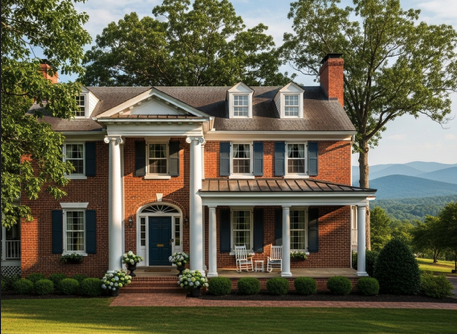
Embarking on the path to homeownership in Virginia is an exciting milestone, but it also comes with important financial decisions. One of the most critical factors to understand is conventional loan limits. These limits set the maximum amount you can borrow through a conforming loan backed by Fannie Mae and Freddie Mac. For 2026, the Federal Housing Finance Agency (FHFA) announced new limits that impact buyers across Virginia, from bustling Northern Virginia to historic Richmond and the coastal Hampton Roads region. By learning how these limits work, you can make smarter decisions about your mortgage options and determine whether a conforming or jumbo loan is the right fit for your needs.
At TruPath Home Loans, we want to ensure that buyers and homeowners alike have access to the latest information. This guide will break down Virginia’s 2026 conventional loan limits, why they matter, and how they may shape your home buying journey.
What Are Conventional Loan Limits?
Conventional loan limits represent the maximum amount you can borrow on a conforming loan. These loans follow the standards set by Fannie Mae and Freddie Mac. When a mortgage stays within the limit, it qualifies as a conforming loan, offering borrowers more flexible approval terms, lower interest rates, and easier qualification compared to jumbo loans.
For 2025, the baseline conforming loan limit for a single-family home increased to $806,500, up from $766,550 in 2024. This rise reflects nationwide home price growth and gives borrowers in Virginia more purchasing power.
Virginia’s 2026 Conventional Loan Limits
Virginia has a wide range of housing markets. Certain areas near Washington, D.C., such as Arlington, Fairfax, and Loudoun counties, fall into the “high-cost” category, meaning their loan limits exceed the national baseline. Meanwhile, other counties across the state, including rural and suburban regions, follow the standard baseline.
Here’s how the 2026 conventional loan limits break down:
- 1-unit properties: $806,500 (baseline), up to $1,209,750 in high-cost counties
- 2-unit properties: $1,031,350 (baseline), higher in high-cost areas
- 3-unit properties: $1,247,400 (baseline), higher in high-cost areas
- 4-unit properties: $1,549,350 (baseline), higher in high-cost areas
High-cost areas allow for greater borrowing without stepping into jumbo loan territory, which often comes with stricter requirements.
Why Do Loan Limits Matter in Virginia?
Virginia offers a diverse housing market. In Northern Virginia, home prices often exceed national averages due to proximity to Washington, D.C. Understanding loan limits in these counties is crucial because exceeding them means crossing into jumbo loan territory, which typically requires:
- Higher credit scores
- Larger down payments
- More extensive documentation
- Stricter debt-to-income (DTI) ratios
On the other hand, staying within conventional loan limits means you can enjoy:
- Competitive interest rates
- Easier qualification
- Lower down payment options (as little as 3%)
- Access to first-time homebuyer programs
How Loan Limits Are Determined
Each year, the FHFA uses its House Price Index to measure nationwide property value changes. If a county’s median home price exceeds 115% of the baseline, it qualifies for a higher “high-cost” loan limit. This system ensures affordability in more expensive housing markets while keeping loans accessible for borrowers across Virginia.
Conventional Loan Benefits in Virginia
Homebuyers who remain within the 2026 conventional loan limits in Virginia enjoy significant advantages:
- Lower interest rates compared to jumbo loans
- Flexible terms, including fixed and adjustable-rate mortgages
- Low down payment options starting at 3% for qualified buyers
- PMI cancellation, once you reach 20% equity in your home
- Broad property eligibility, including single-family homes, condos, and multi-unit residence
Conventional Loan Requirements for 2026
While loan limits expand your purchasing power, you still need to meet lender requirements. Typical standards include:
- Credit Score: Minimum 620, though 680+ is recommended for the best rates
- Down Payment: As little as 3%, though 20% avoids PMI
- DTI Ratio: Ideally below 43%, though exceptions may allow up to 50%
- Employment Stability: At least two years of consistent employment history
- Savings/Reserves: 2–6 months of mortgage payments in reserves may strengthen your application
Frequently Asked Questions (FAQs)
What is the conventional loan limit for a single-family home in Virginia in 2026?
Counties in Northern Virginia such as Arlington, Fairfax, and Loudoun typically qualify for higher limits due to their proximity to Washington, D.C. and elevated home prices.
Loan limits increase for 2–4 unit properties, ranging from $1,031,350 for duplexes to $1,549,350 for four-unit homes in baseline counties. High-cost areas allow for even higher limits.
No. While 20% down eliminates PMI, you can qualify with as little as 3% down through programs designed for first-time buyers.
Loans above the conforming limit are considered jumbo loans, which typically have higher requirements and stricter approval standards.
Final Thoughts
Virginia’s 2026 conventional loan limits give buyers across the state increased flexibility and opportunity in today’s housing market. Whether you’re purchasing a single-family home in Richmond, a townhouse in Alexandria, or a coastal property near Virginia Beach, knowing the loan limits can help you decide between a conforming or jumbo loan.
At TruPath Home Loans, we specialize in guiding Virginia homebuyers through every step of the mortgage process. From understanding loan limits to comparing programs, our goal is to help you secure the right financing for your dream home in 2025.